How to Dispose of an Old Mobile Phone: A Complete UK Guide
The quickest way to dispose of an old mobile phone is to take it to a local recycling point, trade it in with a retailer, or arrange a professional WEEE recycling collection. Whichever route you choose, wipe your personal data first and never put the handset in your general waste bin.
Whether you have a single handset gathering dust in a kitchen drawer or a box of outdated devices from a business upgrade, knowing how to dispose of an old mobile phone properly matters. The process protects your personal data, keeps hazardous materials out of landfill, and recovers valuable resources that can be fed back into manufacturing. This guide walks you through every step, from securing your information to choosing the disposal method that best fits your situation.
Back Up and Wipe Your Data
Before parting with any device, protect your personal information. Old phones store photos, passwords, banking apps, and contacts that could be misused if they fall into the wrong hands. Even a phone you consider worthless could be a goldmine for identity thieves. Taking a few minutes to clear your data is the single most important step in the disposal process.
Step-by-Step Data Removal Checklist
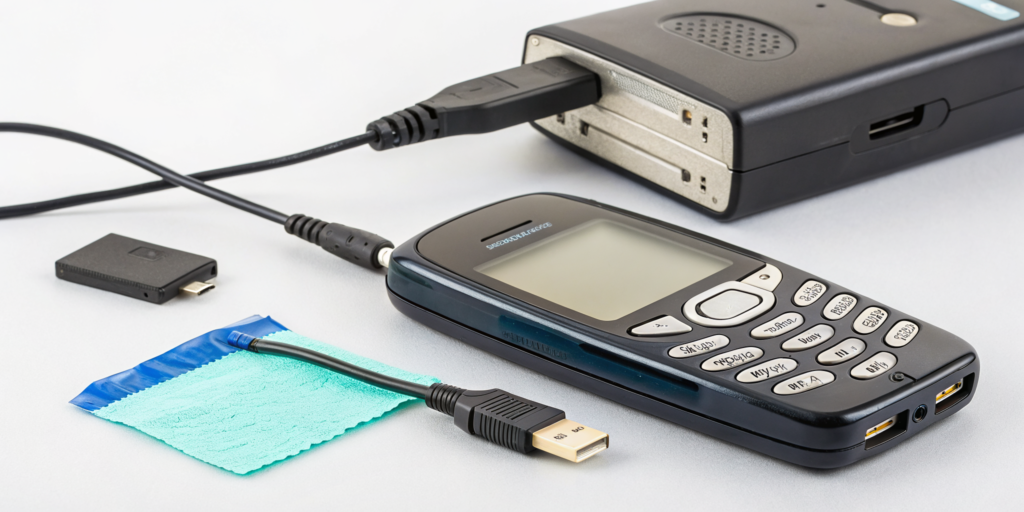
- Back up your files – Transfer photos, videos, documents, and app data to cloud storage (such as Google Drive or iCloud) or directly to a computer via USB cable. Double-check that the backup is complete before proceeding.
- Sign out of all accounts – Log out of Google, Apple ID, social media platforms, email clients, banking apps, and any other service linked to the device. On iPhones, go to Settings > [Your Name] > Sign Out. On Android, visit Settings > Accounts and remove each one individually.
- Disable device protection features – Turn off Find My iPhone (Apple) or Find My Device (Android). If these remain active, the next owner or recycler may be unable to reset the phone properly.
- Encrypt the device – Most modern smartphones encrypt data by default, but older Android handsets may need encryption enabled manually via Settings > Security > Encrypt Phone. Encryption ensures that even if fragments of data survive the reset, they are unreadable.
- Perform a factory reset – On iPhone, navigate to Settings > General > Transfer or Reset iPhone > Erase All Content and Settings. On Android, go to Settings > System > Reset Options > Erase All Data (Factory Reset). This restores the phone to its original out-of-the-box state.
- Remove the SIM card and any memory card – Use the ejector tool (or a paperclip) to pop out the SIM tray. If your phone has a microSD slot, remove that card too. SIM cards can store contacts and text messages, while memory cards may hold photos and documents.
When to Use Professional Data Destruction
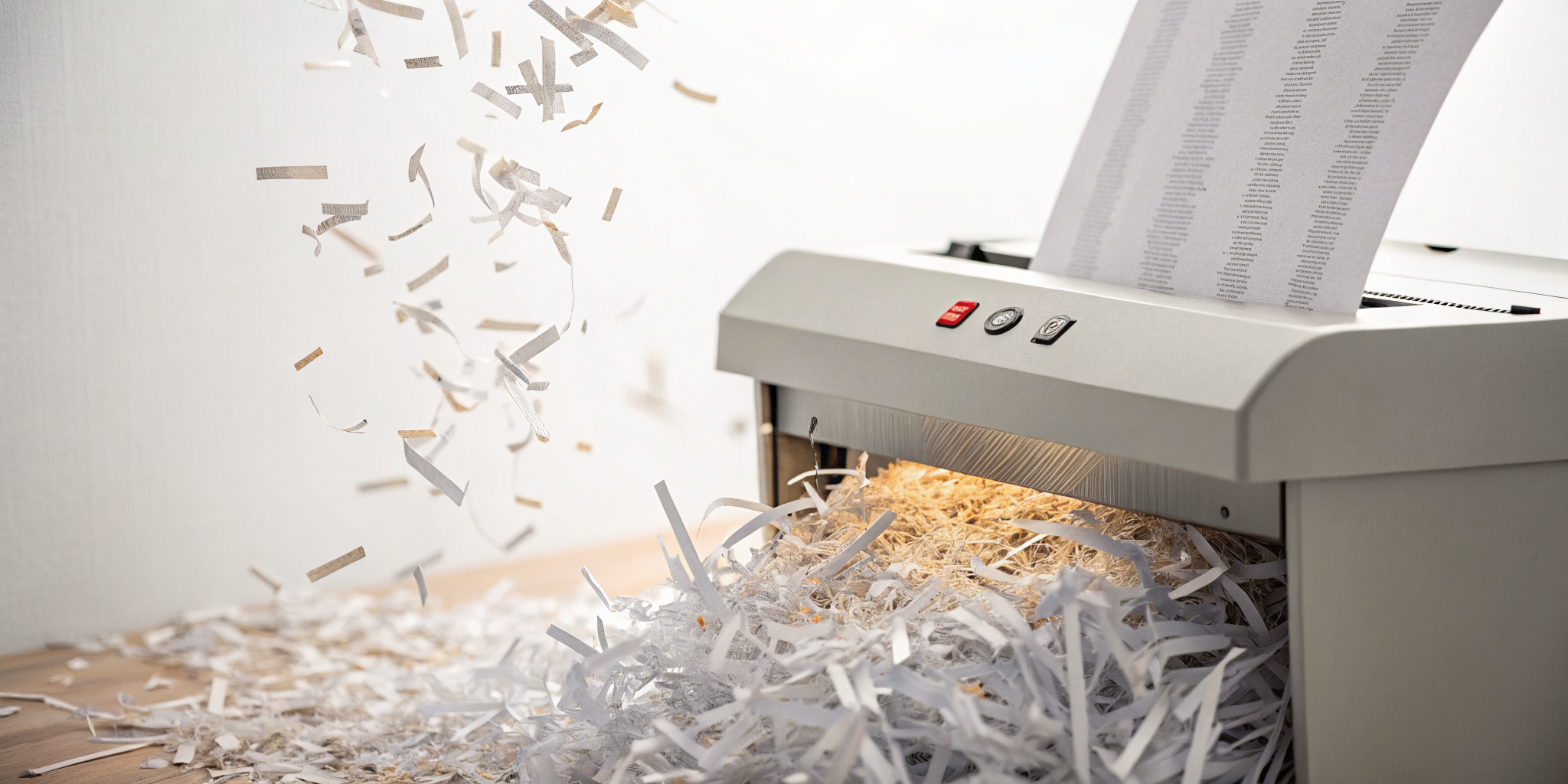
If the phone held sensitive work data, client records, medical information, or financial details, a standard factory reset may not meet your compliance obligations. In these cases, consider a confidential shredding service that covers electronic media. Professional providers use certified software-based wiping tools that meet standards such as NIST 800-88 or, where necessary, physically shred the device and issue a certificate of destruction for your records.
Responsible Disposal Options
Once your data is secure, you have several routes for getting rid of the handset. The right choice depends on whether the phone still works, how many devices you need to dispose of, and whether you want to recoup some of the original cost.
Recycle Through a WEEE Scheme
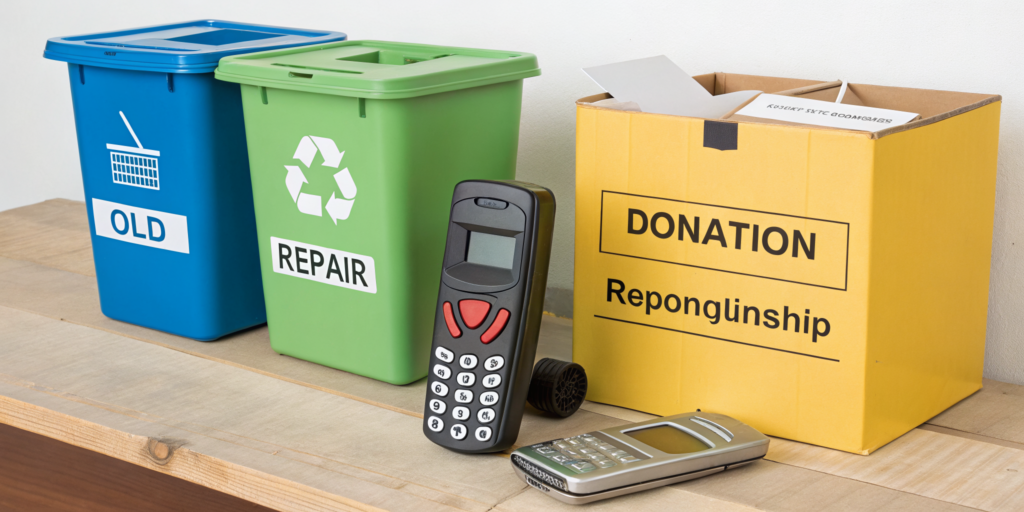
Under UK law, mobile phones are classed as Waste Electrical and Electronic Equipment (WEEE). The WEEE Regulations place obligations on producers and retailers to ensure that electrical items are collected and recycled responsibly. In practice, this means you have several free and convenient recycling options:
- Council household waste recycling centres (HWRCs) – Almost every local authority operates at least one HWRC where you can drop off old phones and other small electronics at no charge. Check your council's website for opening hours and any booking requirements.
- High-street retailer take-back schemes – Under the WEEE Regulations, retailers that sell electrical goods must offer a free take-back service for like-for-like items. Major networks such as EE, Vodafone, O2, and Three, as well as electronics retailers like Currys, accept old handsets in store.
- Dedicated WEEE recycling providers – For businesses with multiple handsets, a dedicated computer and IT equipment disposal service ensures compliant recycling with full audit trails, duty-of-care documentation, and data-destruction certificates.
Sell or Trade In
If your phone still works, selling or trading it in puts money back in your pocket and extends the device's useful life. Several well-known platforms operate in the UK:
| Platform / Method | How It Works | Best For | Typical Turnaround |
|---|---|---|---|
| Retailer trade-in (e.g. Apple Trade In, Samsung Recycle) | Receive credit towards a new device or a gift card | Upgrading to the same brand | Instant (in store) or 7–14 days (by post) |
| Comparison trade-in sites (e.g. CompareMyMobile, SellMyMob) | Compare quotes from multiple buyers, post the phone, receive payment | Getting the best cash price quickly | 1–5 days after the phone is received |
| Online marketplaces (e.g. eBay, Facebook Marketplace) | List the phone yourself, negotiate with buyers | Maximising sale price on popular models | Variable – depends on listing and postage |
| Network buyback (e.g. O2 Recycle, Three Reconnected) | Post the phone to your network, receive a bank transfer or voucher | Convenience if you are already a customer | 7–14 days |
Before selling, note the phone's make, model, storage capacity, and cosmetic condition. Be honest about any faults—cracked screens, poor battery health, or water damage—as buyers will adjust their offer accordingly and may reject a device that does not match the description.
Donate to Charity
Working phones can be donated to charities that refurbish devices for people in need, including those experiencing domestic abuse, homelessness, or digital exclusion. Organisations such as the Hubbub Foundation and various local community groups accept handsets. Donating extends the handset's life, reduces electronic waste, and provides a tangible benefit to someone who might otherwise go without a phone.
Arrange a Professional Collection
If you are clearing out several old devices during a home or office tidy-up, a house clearance or reactive waste clearance can handle electronics alongside other items. This is particularly useful when you are dealing with a deceased relative's estate, relocating offices, or renovating a property and uncovering years' worth of forgotten gadgets. A reputable clearance company will separate electronics for proper WEEE recycling rather than sending them to landfill.
Why You Should Never Bin a Mobile Phone
It can be tempting to toss a broken or outdated phone into the household bin, but doing so creates serious environmental and safety risks. Understanding why improper disposal is harmful can motivate you to take the extra step of recycling.
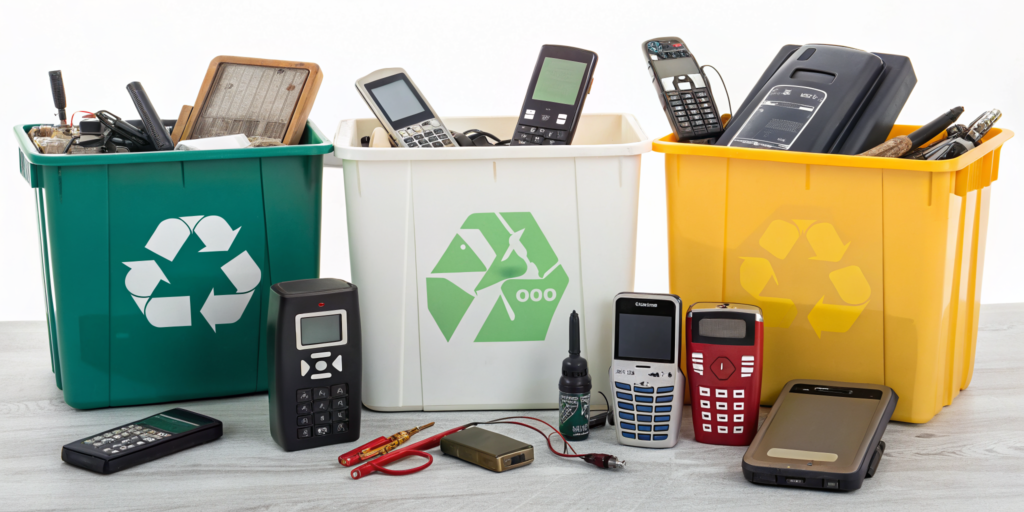
Fire and Safety Hazards
Phones contain lithium-ion batteries that can overheat, swell, and ignite when crushed or punctured—exactly what happens inside a bin lorry compactor or at a waste transfer station. Battery fires in refuse vehicles are a growing problem for UK waste operators, putting collection crews and the public at risk.
Toxic Materials in Landfill
Beyond the battery, mobile phones contain hazardous materials such as lead, mercury, cadmium, and brominated flame retardants. When a phone breaks down in landfill, these substances can leach into soil and groundwater, contaminating ecosystems and potentially entering the food chain.
Lost Valuable Resources
On the positive side, recycling recovers valuable metals like gold, silver, copper, palladium, and rare earth elements, keeping them in the supply chain and reducing the need for environmentally destructive mining. A single tonne of circuit boards can contain more gold than a tonne of gold ore, making urban mining from electronic waste an increasingly important source of raw materials.
Special Considerations for Businesses
If you are disposing of phones on behalf of a company, additional legal and practical requirements apply. Under the UK's duty-of-care obligations for waste, businesses must ensure that WEEE is handed over to an authorised waste carrier and that appropriate documentation is retained.
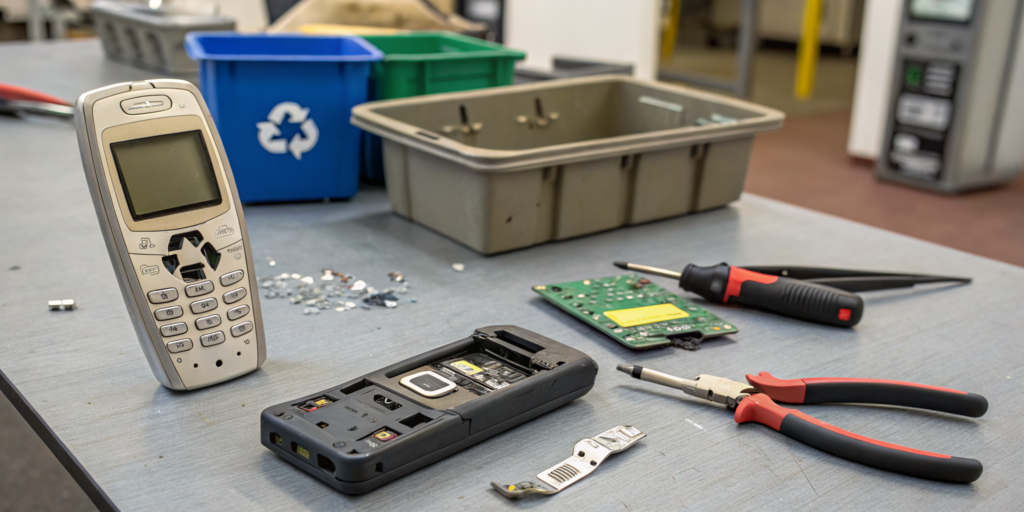
- Data protection compliance – Under the UK GDPR and Data Protection Act 2018, organisations must ensure that personal data stored on devices is securely erased before disposal. Failure to do so can result in enforcement action from the Information Commissioner's Office (ICO).
- Audit trails – Keep records of serial numbers, data-wiping certificates, and waste transfer notes for at least two years (or longer if your sector requires it).
- Bulk collections – A specialist WEEE recycling provider can collect, data-wipe, and recycle devices in bulk, supplying all necessary duty-of-care documentation in a single service.
- Asset value recovery – Many IT disposal companies will assess whether any of your old handsets have resale value and offset this against the cost of the service, potentially making the disposal cost-neutral.
Tips for Reducing Mobile Phone Waste in the Future
Disposing of a phone responsibly is important, but reducing the frequency with which you need to do so is even better. A few simple habits can extend the life of your current device and minimise future waste:
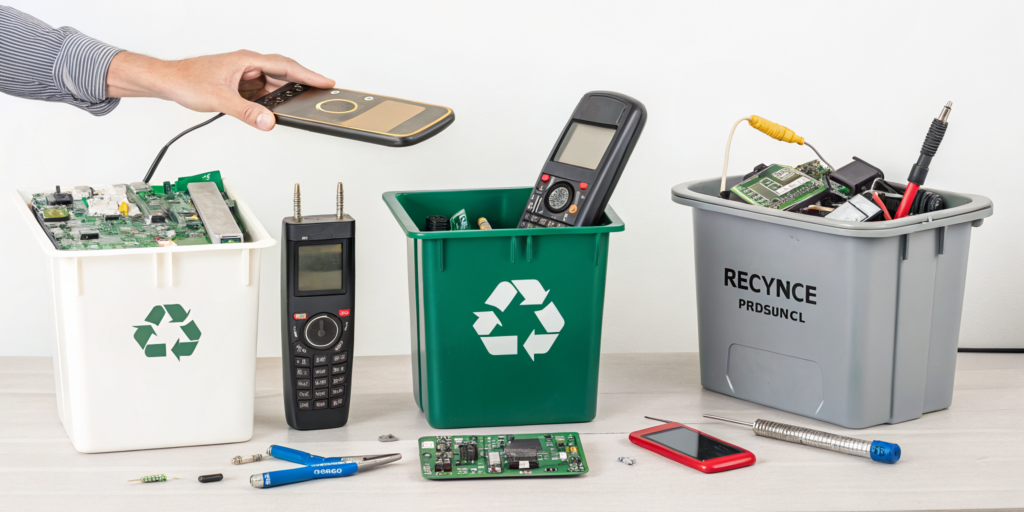
- Use a protective case and screen protector – Physical damage is one of the top reasons people replace phones prematurely. A sturdy case and tempered-glass screen protector cost a fraction of a new handset.
- Replace the battery instead of the phone – Many repair shops and some manufacturers offer battery replacement services that can breathe new life into a sluggish device for a modest fee.
- Keep software up to date – Installing operating system and security updates helps your phone run smoothly and remain secure for longer.
- Consider refurbished when upgrading – Buying a refurbished phone instead of brand new reduces demand for raw materials and often saves you a significant amount of money.
- Pass on working devices – If you upgrade while your current phone is still functional, hand it down to a family member, sell it, or donate it rather than letting it languish in a drawer.
Frequently Asked Questions
Can I put an old mobile phone in my wheelie bin?
No. Mobile phones must not go into household wheelie bins. The lithium-ion battery is a fire risk, and the materials inside the phone require specialist recycling. Take the handset to a council recycling centre, a retailer take-back point, or arrange a WEEE collection instead.
Is a factory reset enough to protect my data?
For most personal users, a factory reset is sufficient, especially on modern smartphones that encrypt data by default. If the phone stored highly sensitive information—such as business records, medical data, or financial details—professional data-destruction services offer certified wiping or physical shredding to meet compliance standards.
Do phone shops accept old handsets?
Yes. Under the WEEE Regulations, retailers selling electrical goods must offer a free take-back service for similar items. Most major mobile networks and high-street electronics shops participate, making it easy to hand in an old phone when you visit the store.
What if my old phone is broken?
Broken phones can still be recycled. The valuable metals and components inside are recoverable regardless of whether the device powers on. Drop the handset at a council recycling centre or contact us to arrange a WEEE collection.
How do I dispose of multiple phones from a business?
Businesses have a legal duty to manage WEEE responsibly. A specialist WEEE recycling provider can collect, data-wipe, and recycle devices in bulk, supplying duty-of-care documentation and data-destruction certificates. This ensures compliance with both waste regulations and data protection law.
Can I recycle phone accessories as well?
Yes. Chargers, cables, and headphones are also classed as electrical waste and should be recycled through the same channels. Many retailer take-back schemes and council recycling centres accept small electrical accessories alongside phones. Avoid putting them in your general waste bin, as cables can tangle in sorting machinery and chargers contain components that should not go to landfill.